
A plaque with the coat of arms of the city of Coventry is made of a minted metal sheet fixed to a wood backing. The coat of arms is decorated with an image of a lioness and an elephant framed by leaves; the inscription below reads: “Camera Princlpis”. “Coventry – Stalingrad / in Friendship”. The inscription is made right under the coat of arms.
Plaque with the coat of arms of Coventry
 The United Kingdom ,
05.11.1954
МЗСБ КП 5339 П 64
47,3 х 34,5 х 4 cm
wood, metal, milling, grinding, chasing, assemblycase
The gift plate, mounted under the coat of arms, has an engraved inscription: "Coventry - Stalingrad / in Friendship."
Presented by the delegation of the Coventry Municipal Council at the meeting of the Stalingrad City Executive Committee dedicated to development of an appeal to the UN on prohibition of atomic and hydrogen weapons, 05.11.1954
West Midlands county, Coventry

See also

Brochure “Battle of Stalingrad” (A batalha de Stalingrado) published by Continental magazine
 Brazil ,
Brochure “Battle of Stalingrad” (A batalha de Stalingrado) published by Continental magazine
It contains two articles: "M. Braguin. The Great Battle of Stalingrad" (M. Braguin. A grande batalha de Stalingrado) and "V. Grossman. The direction of the main blow" (Vassili Grossman. A direção do golpe principal).
Rio de Janeiro


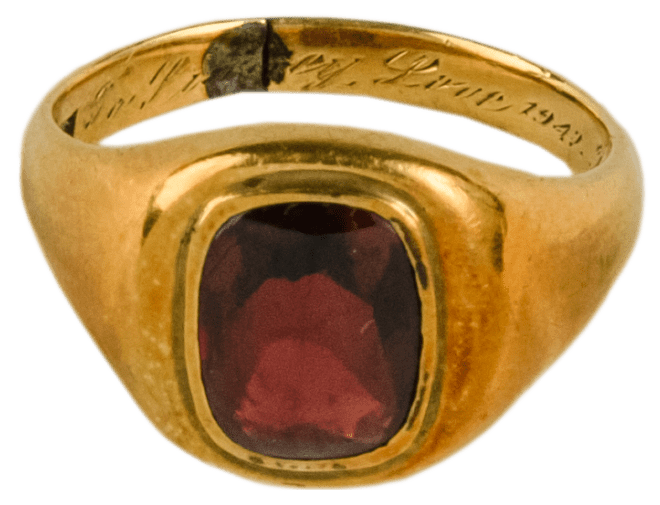
Ring. A gift to the people of Stalingrad from Sidney Kramer, a member of the American youth delegation
 USA ,
22.09.1951
Ring. A gift to the people of Stalingrad from Sidney Kramer, a member of the American youth delegation
A cast ring decorated with multiple facet cut almandine of an elongated obtuse-angled form; the hardly legible engraving inside the ring in the English language reads
[approximate translation]: “In token of love 1942”.
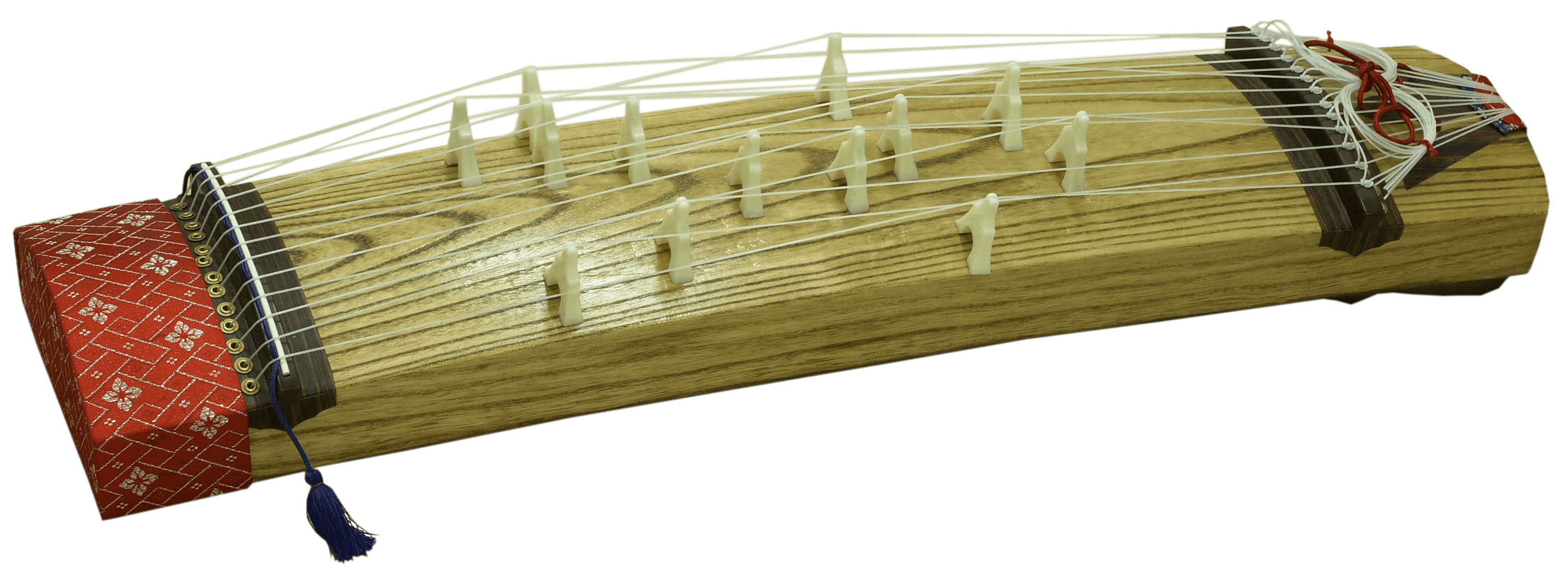
Koto, a Japanese plucked musical instrument
 Japan ,
1991
Koto, a Japanese plucked musical instrument
Koto, a Japanese plucked musical instrument. Present from the Japanese delegation to the hero city of Volgograd, [before 1991]
Koto or Japanese zither is a plucked musical instrument, similar to the Russian gusli. It has long and slightly arched wooden body. Its thirteen strings are made from synthetic fiber. It is tuned based on the 6 traditional gagaku tonalities. Koto is sounded with plectrums.