
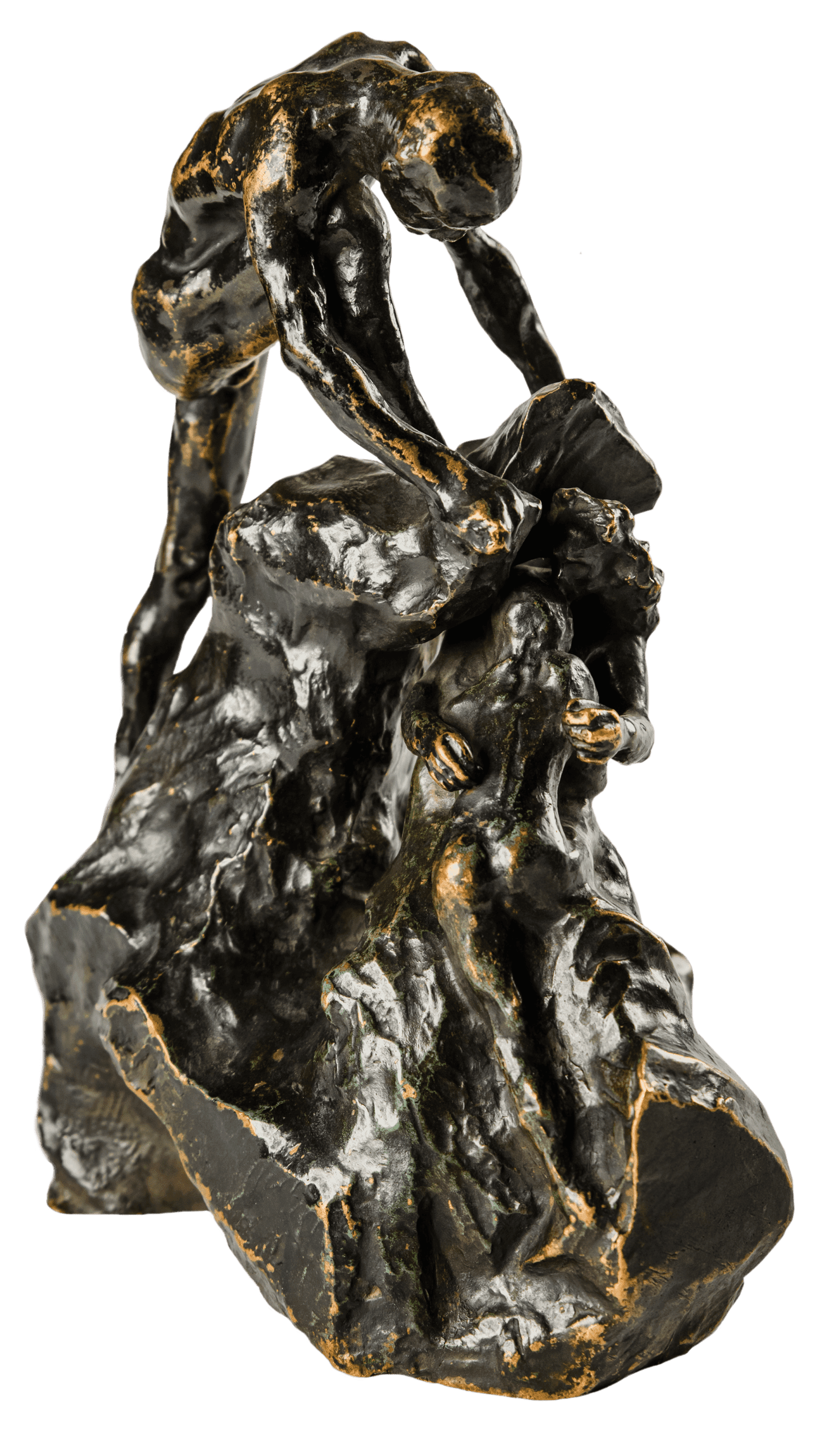
The author depicted a giant hovering over a small rock shelter where two lovers are hiding. The painting is inspired by the myth about the cyclop Polyphemus (Πολύφημος) who fell in love with the sea nymph Galatea (Γαλάτεια), but she had already given her heart to the Sicilian shepherd named Acis (Αχις). Polyphemus found Galatea and Acis in a shelter near the sea. The frightened Galatea threw herself into the sea and was saved by the waves. Furious Polyphemus killed Acis by crushing him under a rock torn from the Etna. Acis's blood formed a stream beneath the rock. Galatea turned it into a river flowing down the Etna and into the sea (the river Acis, Aci). The rock that killed Acis cracked and green leaves of reeds appeared in the crevice. From the pure stream appeared a young man with a bluish face wearing a wreath of reeds. It was Acis, he became the river god. In another version of the myth the couple jumped into the sea and turned into two fishes. The sculpture was cast as two separated pieces which were later connected by bronze braces and inside rivets. The author’s autograph on the back slope of the rock reads: “Rodin”.
Rodin Auguste. Sculptural composition “Jealousy”
 France ,
1945
France ,
1945
МЗСБ КП 3344
28,6 х 23,5 х 15 cm. weight 5,430 kg
bronze, casting, soldering, grinding, decorative patina-forming treatment
Rodin Auguste. Sculptural composition “Jealousy” (“Rage”) [1890-1900]. A gift from M.F. Westmacot, a collector of artworks, to heroic Stalingrad, 1945
See also
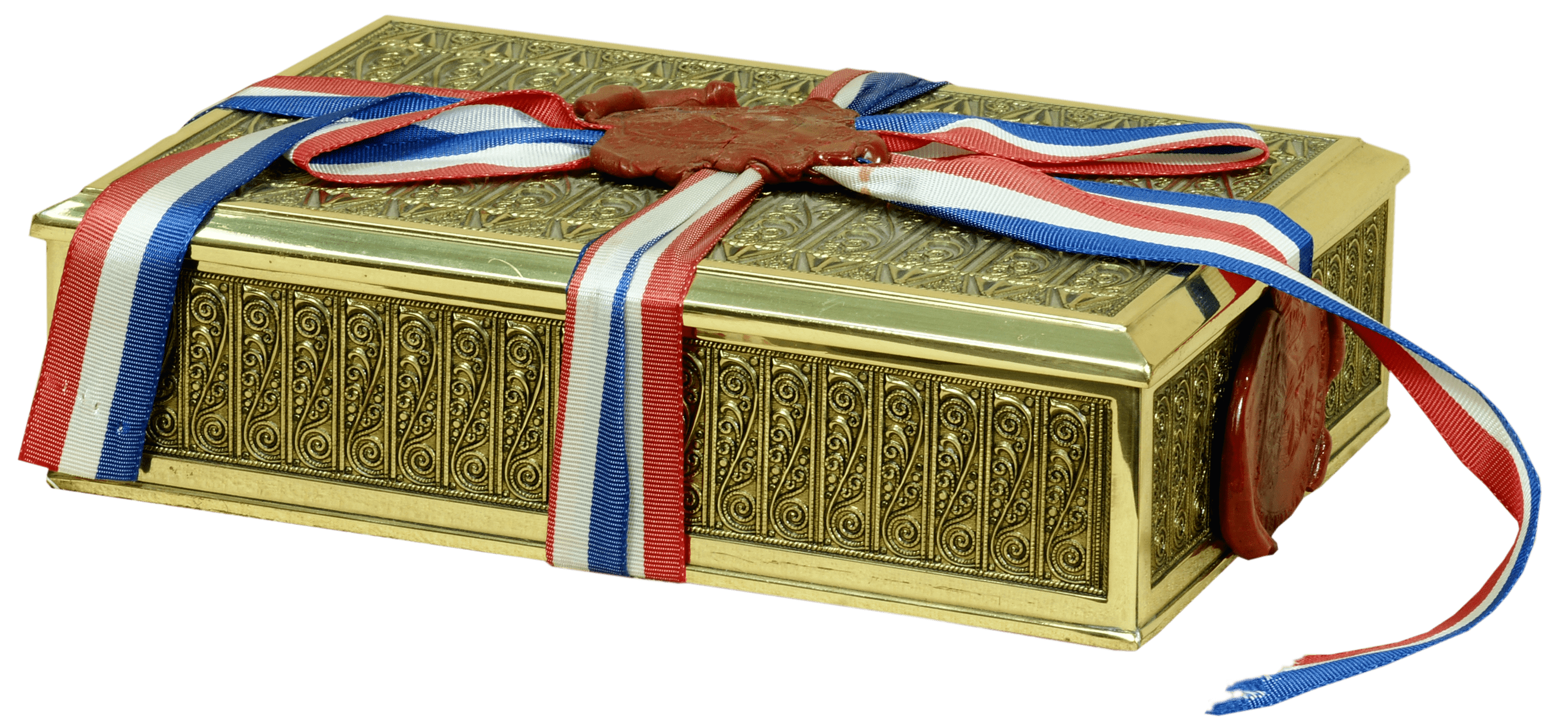
Earth from Mont-Valerien hill in a box.
France ,
Earth from Mont-Valerien hill in a box.
Earth from Mont-Valerien hill in a box. A gift from the Resistance movement and war veterans of France in connection with the 30th anniversary of the defeat of the Nazis in the Battle of Stalingrad
department of Hauts-de-Seine



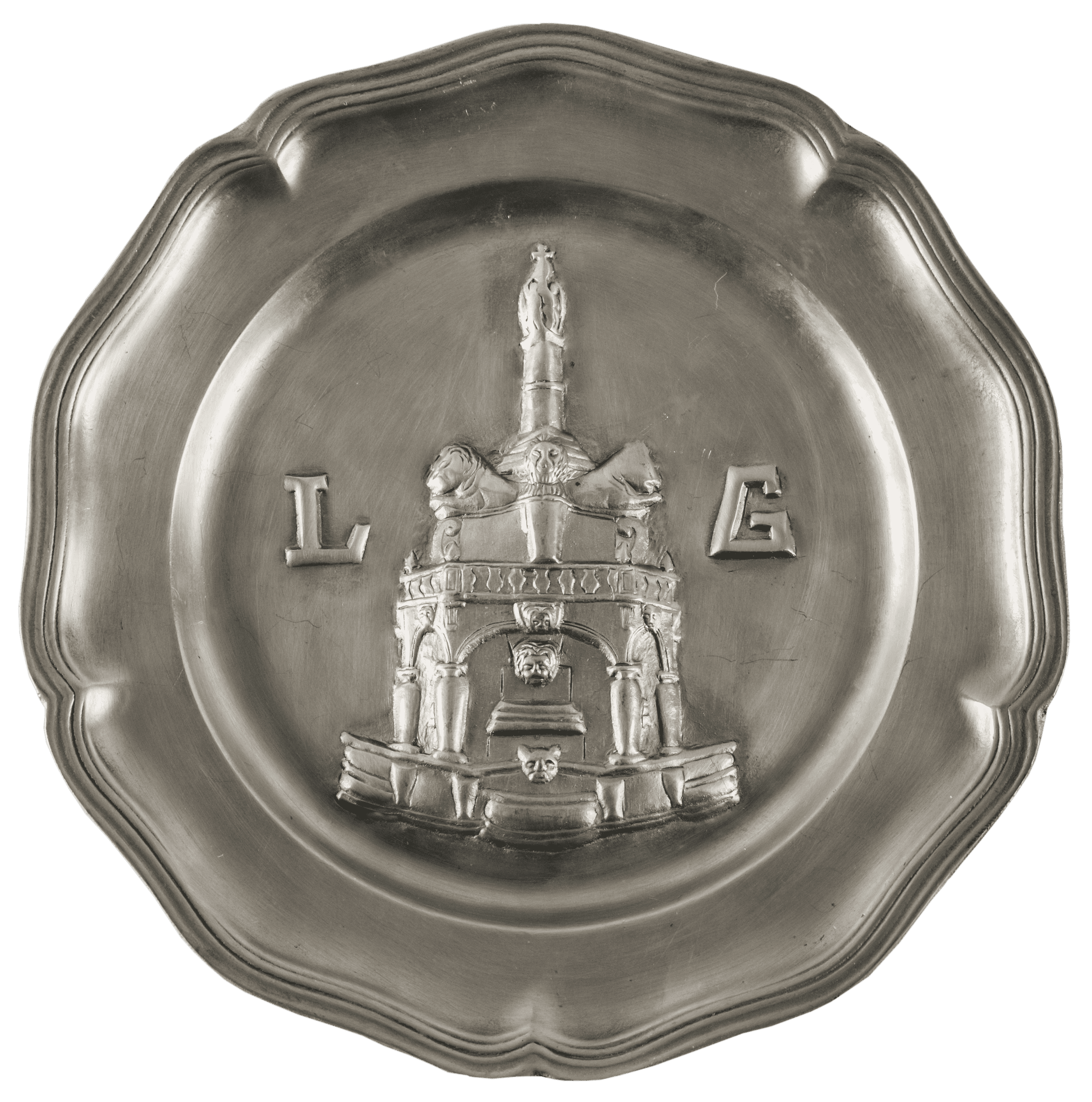
Decorative plate with the image of the coat of arms of Liege
 Belgium ,
May 1975
Belgium ,
May 1975
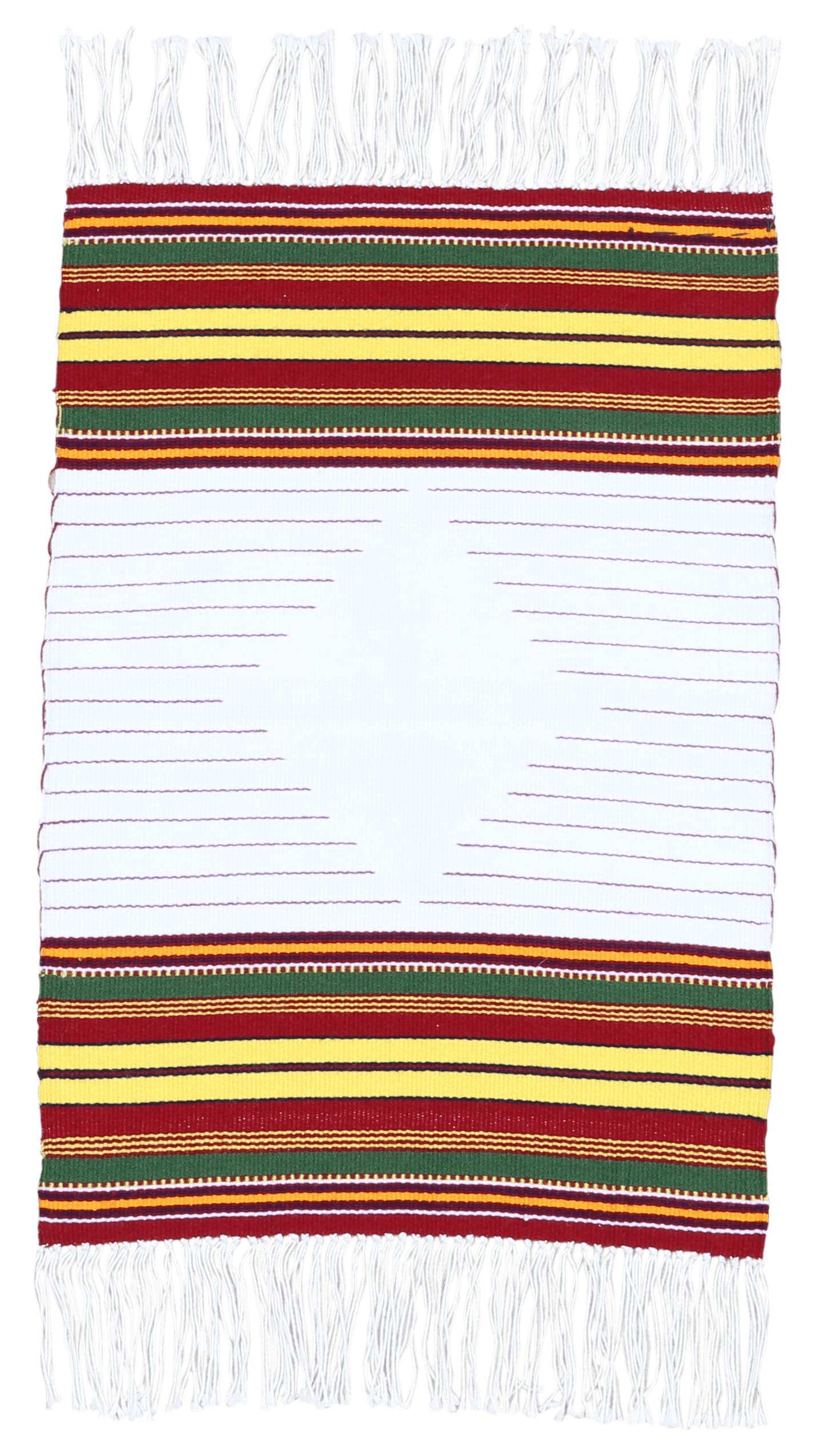
Decorative plate with the image of the coat of arms of Liege
A gift from partisan veterans of the Free Front of Liege "FL". It was handed over by the city delegation led by Octave Rose, Deputy Mayor, who visited Volgograd in May 1975.