
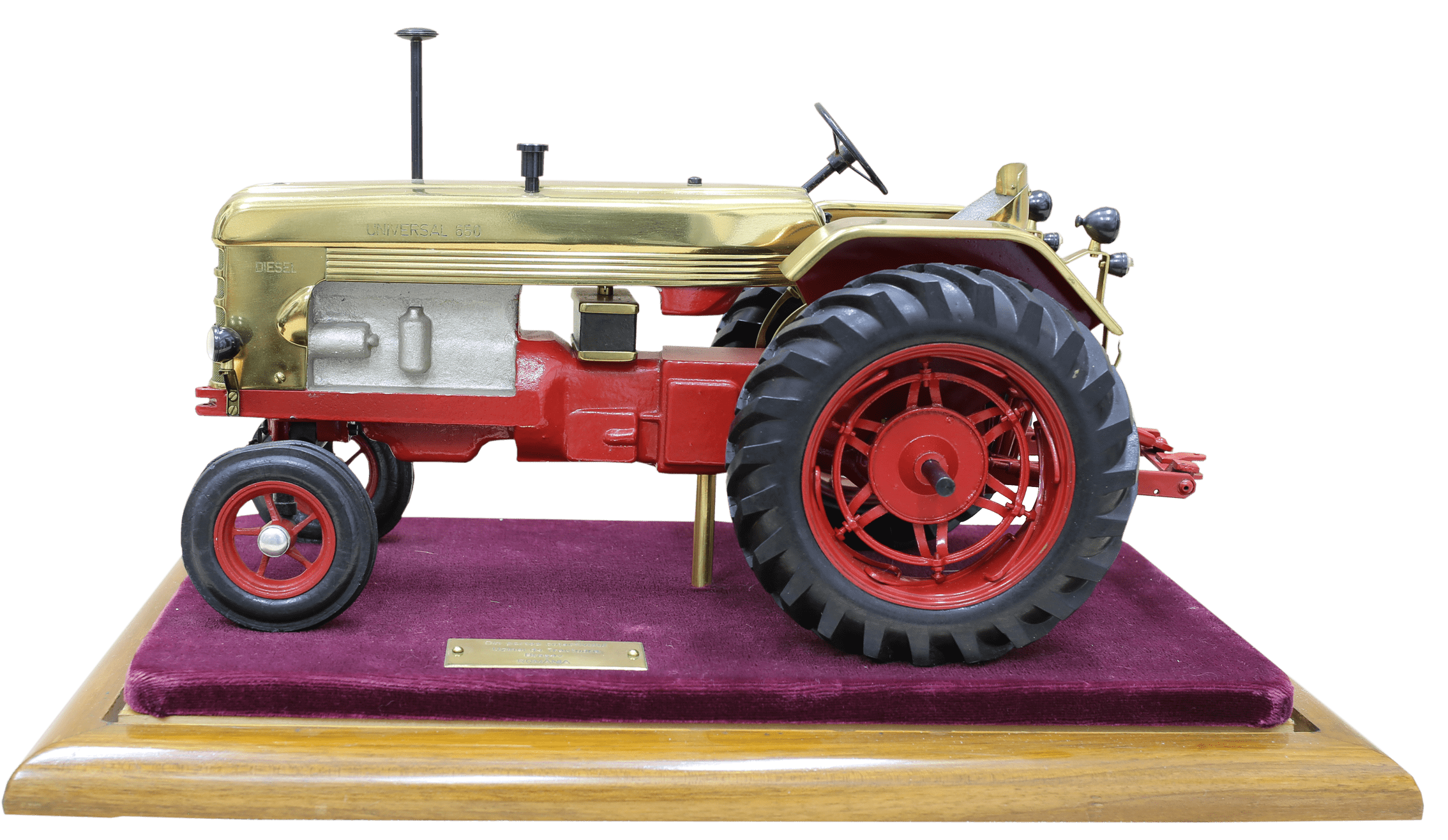
Tractor manufactured at Brașov Tractor Plant. Model
 Romania ,
3-4.06.1964
Romania ,
3-4.06.1964
МЗСБ КП 8702/1 П 871
model: 15.9 x 28.5 x 14.5 cm: in case: 19.6 x 34 x 20 cm
metal, plastic, rubber, fabric, wood, casting, bending, molding, weaving, varnishing, assembly, engraving
A gift from the delegation of workers of the Romanian Workers' Party led by Chivu Stoica, a member of the Politburo, Secretary of the Central Committee of the RRS, that visited Volgograd on 3-4.06.1964.
Brașov. The engraved dedicatory inscription reads: “Din Partea colectivului Uzinei de Tractoare Brașov Romania” (From the workers of the Brasov Tractor Plant); the dome is decorated with the engraved basemap of Romania.
See also
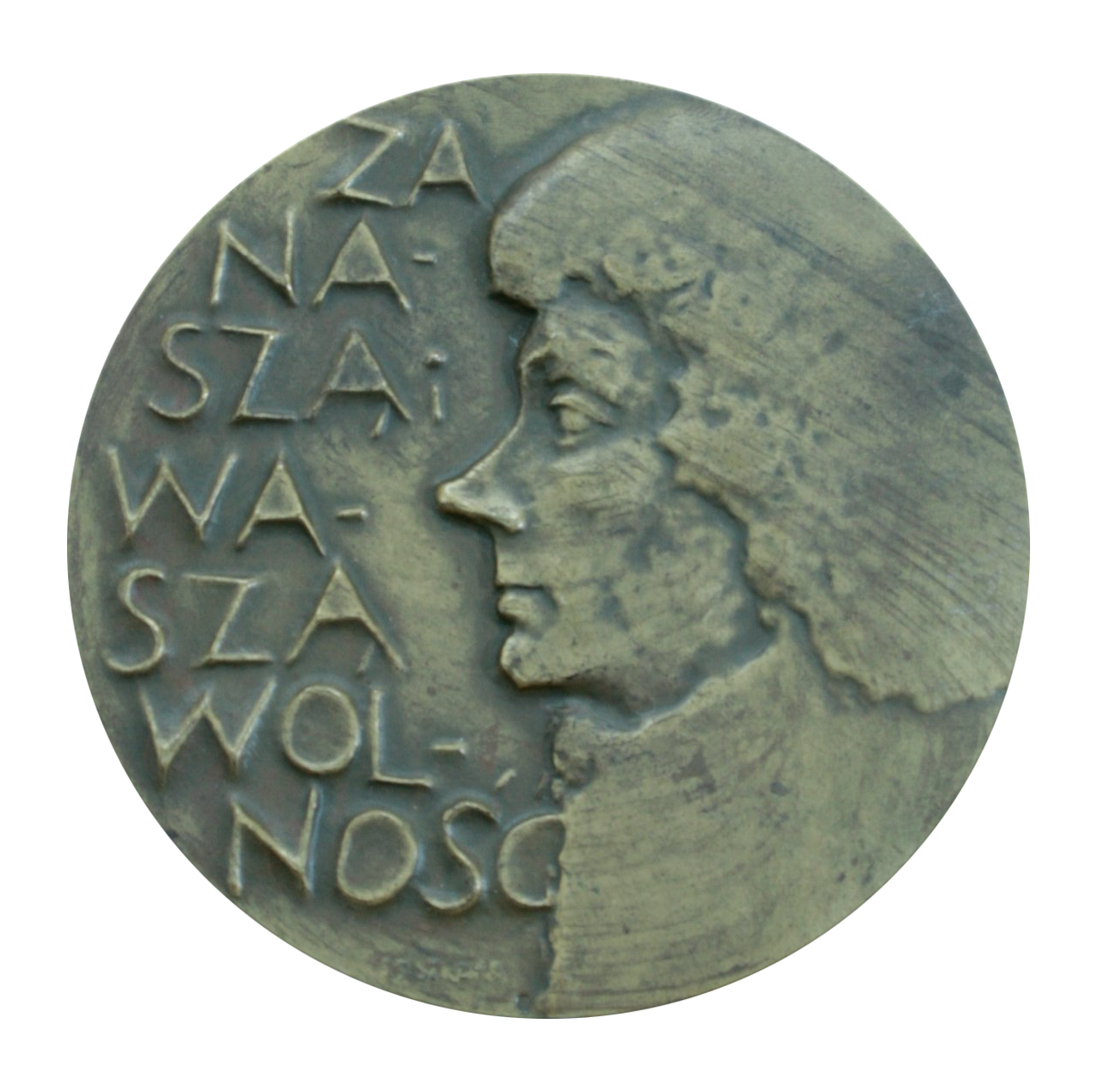
‘Kościuszko. 1746 – 1817’ Medal (Tadeusz Kościuszko), the collection of commemorative medals
 Poland ,
May 1977
Poland ,
May 1977
‘Kościuszko. 1746 – 1817’ Medal (Tadeusz Kościuszko), the collection of commemorative medals
A gift presented to the Museum of the Defence of Tsaritsyn-Stalingrad by a delegation of the Polish People’s Army, May 1977. Made before 1977. The Polish People's Republic


Tractor manufactured at Brașov Tractor Plant. Model
Romania ,
3-4.06.1964
Tractor manufactured at Brașov Tractor Plant. Model
A gift from the delegation of workers of the Romanian Workers' Party led by Chivu Stoica, a member of the Politburo, Secretary of the Central Committee of the RRS, that visited Volgograd on 3-4.06.1964.
Brașov. The engraved dedicatory inscription reads: “Din Partea colectivului Uzinei de Tractoare Brașov Romania” (From the workers of the Brasov Tractor Plant); the dome is decorated with the engraved basemap of Romania.
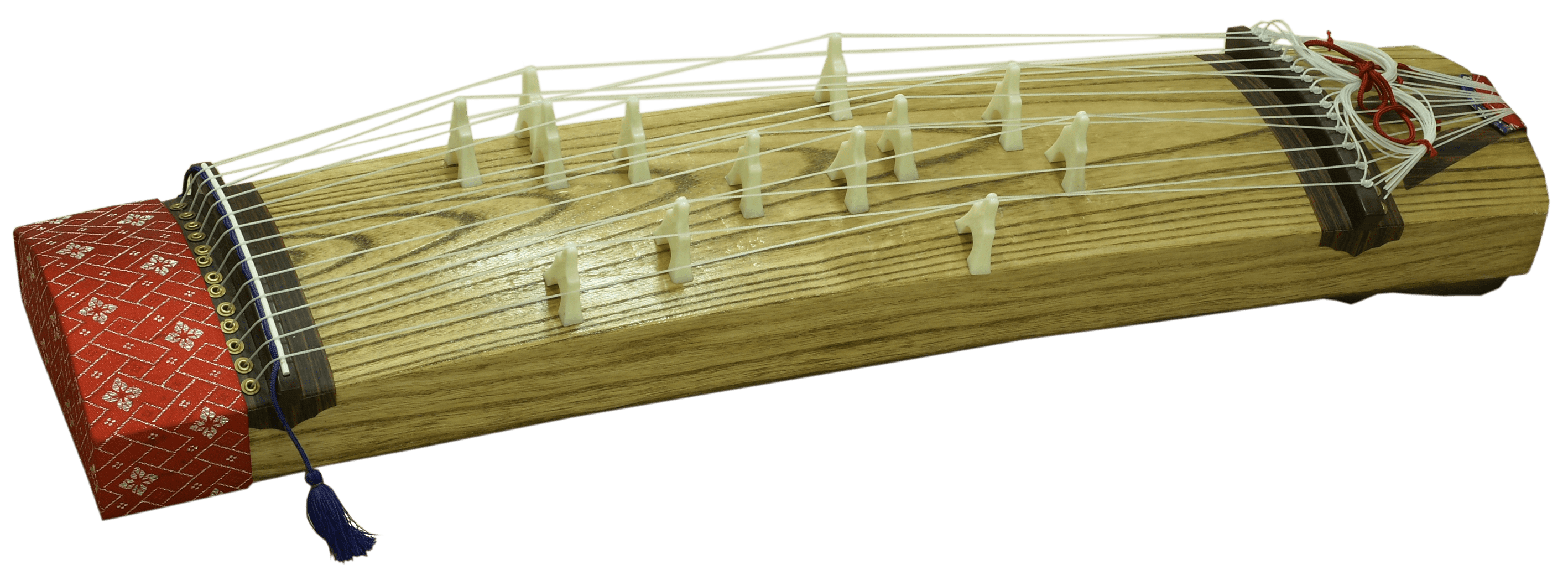
Koto, a Japanese plucked musical instrument
 Japan ,
1991
Japan ,
1991
Koto, a Japanese plucked musical instrument
Koto, a Japanese plucked musical instrument. Present from the Japanese delegation to the hero city of Volgograd, [before 1991]
Koto or Japanese zither is a plucked musical instrument, similar to the Russian gusli. It has long and slightly arched wooden body. Its thirteen strings are made from synthetic fiber. It is tuned based on the 6 traditional gagaku tonalities. Koto is sounded with plectrums.