
The lozenge emblem is covered with decorative patina. Right in the middle of the emblem there is a lion rampant with protracted claws and its tongue stuck out (The Belgium Lion, the main element of the Belgium coat of arms). To the right and to the left of the lion one can spot two letters – P and A (les Partisans armés, Belgian partisans army)
Emblem “Belgian Army of Partisans” (Les Partisans armés)
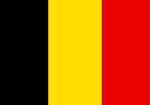 Belgium ,
29.09.1973
МЗСБ КП 12548
37.5 x 17.8 x 2.1 cm (folded)
metal, casting, milling, grinding, assembly
A gift from the veterans of Belgium partisans to the veterans of the Battle of Stalingrad

See also

Decorative plate
 Iran ,
15.12.2009
Decorative plate
Gift from Ruhollah Gahramani Chaboka, Governor of Gilan Province, Gilan Province, Isfahan. The plate is shaped as a blooming flower with many petals. The top of the plate is covered with blue enamel with brown and yellow splashes. The bottom and the rim are decorated with geometric and floral ornaments. The base is covered with white enamel. The plate also has a ring to put it on the wall.


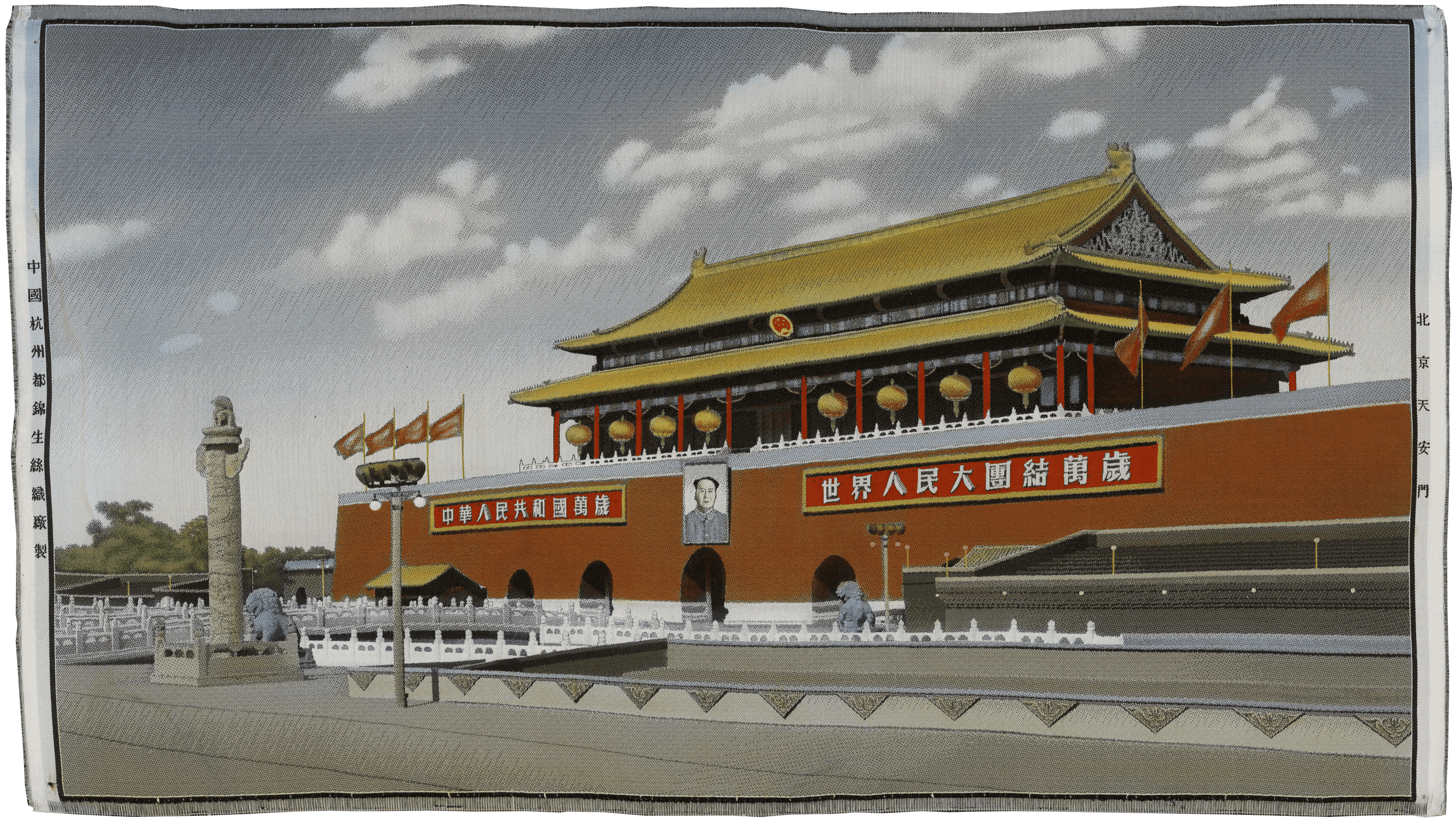
Tapestry depicting the entrance to the Forbidden City from Tiananmen Square in Beijing
 China ,
November 1955
Tapestry depicting the entrance to the Forbidden City from Tiananmen Square in Beijing
A present from the delegation of agricultural workers of the PRC who visited Stalingrad in November 1955. Tiananmen is named after the gate of the Forbidden city, namely the ‘Gate of Heavenly Peace’. It is a large red traditional Chinese building with upturned eaves on roof corners and five arched passages. The portrait of Mao Zedong is hung on the central part of the gate. The placard on the left of the portrait reads in hieroglyphs: [translation] “Long Live the People's Republic of China”, while the right one reads: “Long Live the Great Unity of the World's Peoples”. On October 1, 1949, at the Gates of Heavenly Peace, Mao Zedong proclaimed the creation of the People's Republic of China. The left and the right sides of the canvas are covered with hieroglyphs.